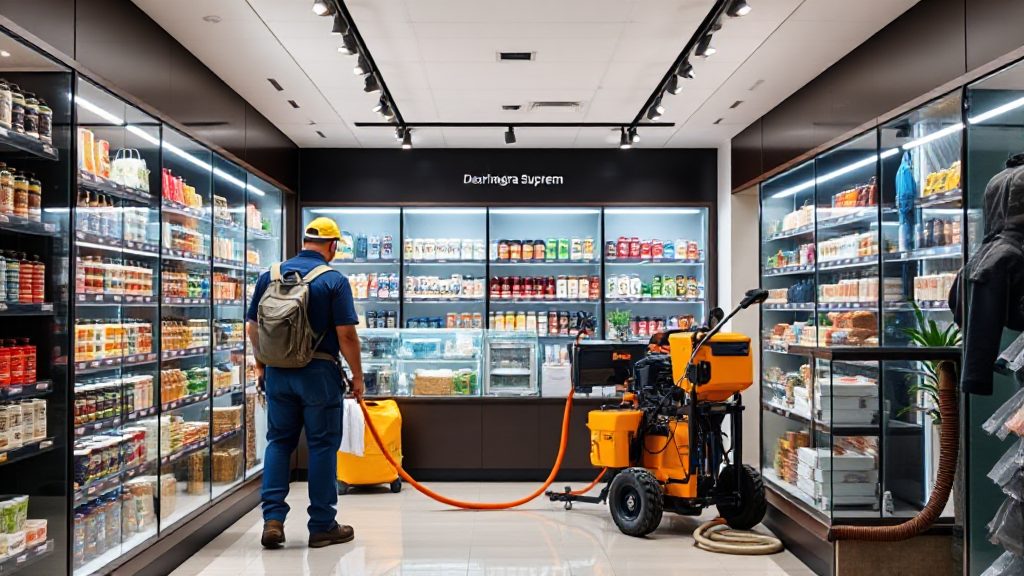
Unclogging an Ipiranga Shop Without Losing Peak Hours
It’s 12:40 on a Tuesday, the lunch rush is in full swing, and the floor drain in your kitchen starts burbling up grey water. Within minutes, the smell hits the dining room and the queue at the counter turns around and walks out. That’s the real cost of a clogged line on a commercial street: not the plumber’s invoice, but the tables you never turn and the regulars who don’t come back. If you run a shop or eatery in Ipiranga and need fast, coordinated help, a desentupidora em Itaim Bibi São Paulo SP can slot the work into your trading calendar instead of your busiest hour.
This is a scheduling problem as much as a plumbing one. The fix is to get the right crew, with the right equipment, into the building during a window that costs you the least — and to have that window agreed before the drain backs up, not while customers are holding their noses.
Why a Closed Hour Costs More Than the Service Call
On a busy commercial strip, an hour of lost trade is rarely just an hour. A lunch service that dies at 12:30 takes the whole afternoon’s walk-in traffic with it, because people see a closed door or a bucket in the doorway and keep walking. Add the staff hours spent mopping, the food that has to be discarded, and the reputation hit when a regular posts a photo of a flooded floor, and the true cost quickly dwarfs the desentupimento fee.
That’s why the smartest operators treat drain maintenance like any other scheduled disruption — deliveries, gas inspections, deep cleaning. They plan it into a low-traffic window and keep the line clear so the emergency never happens during service. A desentupidora Itaim Bibi that understands restaurant and retail rhythms will ask about your peak hours before quoting a time, not after.
There’s also a hidden cost in waiting. A slow drain that you “keep an eye on” for a week is usually a grease or root blockage building behind it. By the time it fully stops, you’re dealing with a backup at the worst possible moment and a crew that has to be called out at emergency rates. Preventive scheduling is almost always cheaper than reactive repair, even before you count the lost sales.
Pre-Opening Windows: The Cheapest Slot on the Calendar
For most shops and eateries, the golden window is the two to three hours before the doors open. The kitchen is quiet, the dining room is empty, and a technician can work without stepping around staff or customers. If your team starts prep at 8 a.m., a 6 a.m. start gives the crew time to rod, jet, or camera the line and clear out before the first coffee is poured.
What to prepare before the crew arrives
- Clear access to the floor drains, grease trap, and any cleanout covers — move pallets, mats, and stock.
- Confirm which line is affected and whether it’s shared with neighbours or the building’s main stack.
- Have someone on site who can answer questions about the layout and sign off on the work.
- Ask the crew to camera-inspect after clearing, so you know the pipe is genuinely clean and not just flowing for now.
A pre-opening job also lets the technician use hydro-jetting rather than a simple snake when grease is the culprit. Jetting scours the pipe wall and pushes residue through, which buys you far more time than punching a hole through the blockage. If the crew finds roots or a collapsed section, you’ll know before service rather than during it.
Overnight Work: When the Line Can’t Wait Until Morning
Some clogs don’t respect business hours. A shared line serving several units, a grease trap that’s overflowing, or a backup that’s already reached the dining room may need attention the same night. This is where a 24-hour emergency service earns its keep: a crew can arrive after close, work through the quiet hours, and have the line flowing before the morning delivery arrives.
Overnight work suits buildings where daytime access is impossible or where the disruption would be visible to customers. It also lets the team use heavier equipment — a jetting truck, for instance — without blocking the street or competing with delivery vans. The trade-off is coordination: someone has to be available to unlock, explain the layout, and confirm the job is done. Agree that in advance so the crew isn’t standing outside at 1 a.m.
For shops in Ipiranga that share a building or a rear service corridor, overnight scheduling also reduces friction with neighbours. A desentupidora Itaim Bibi São Paulo SP used to commercial premises will typically confirm access, parking, and noise limits before the visit, so the job doesn’t turn into a dispute with the building manager.
Coordinating With Neighbours and the Building
On a commercial street, the drain under your floor is rarely yours alone. Grease and roots travel down shared stacks, and a blockage in one unit can back up into the next. If you suspect a shared line, tell the crew when you book — they’ll bring the right access equipment and may need to coordinate with the building’s maintenance contact.
It also pays to give neighbours a heads-up. A note to the shop next door explaining that a crew will be working early or late, and that water may be off for an hour, prevents complaints and keeps the street’s goodwill intact. If you’re a tenant, loop in the landlord or syndic so any follow-up repair — a cracked pipe, a damaged cleanout — is authorised without delay.
Finally, keep a simple log: date, line affected, method used, and who attended. When the same drain backs up twice in a season, that record is what turns a recurring emergency into a planned repair. A written history of blockages is your best argument for a permanent fix rather than another quick clear-out.
Scheduling Checklist Before You Book
- Identify your lowest-traffic window — pre-opening, mid-afternoon lull, or after close.
- Confirm whether the line is private or shared, and who else needs to be told.
- Clear access to drains, traps, and cleanouts before the crew arrives.
- Ask for a post-job camera check and a written report.
- Book a preventive visit before the next peak season, not after the next backup.
Get the timing right and a blocked drain becomes a minor interruption instead of a lost day’s trade. Plan the window, coordinate the building, and keep the line clear — your lunch service will thank you.
Frequently Asked Questions
Can the crew work before my shop opens?
Yes. Early-morning slots are usually the easiest to arrange and the least disruptive. Book ahead and confirm access, parking, and who will be on site to unlock.
What if the blockage happens during peak hours?
Call an emergency line immediately and describe the line affected. A 24-hour crew can often isolate the problem and stop the backup while scheduling the full clear-out for a quieter window.
Do I need to tell my neighbours or the building manager?
If the line is shared, yes. Informing them in advance avoids access disputes and lets the crew coordinate with the building’s maintenance contact.
How do I stop the same drain blocking again?
Ask for a camera inspection after clearing, keep grease out of the line, and book preventive hydro-jetting on a regular schedule rather than waiting for the next emergency.